Introduction: Understand The Nature Of Distractions
Working from home as a freelancer comes with freedoms that traditional office jobs rarely allow, but those freedoms also bring challenges. Distractions at home are different from those in an office—they’re often personal, subtle, and harder to recognize. It’s not just about noisy neighbors or household chores; it’s about the constant pull of digital notifications, the temptation to multitask, and the blurred line between personal and professional life. Recognizing that distractions are inevitable is the first step toward managing them effectively.
Start By Designing A Workspace That Signals Focus
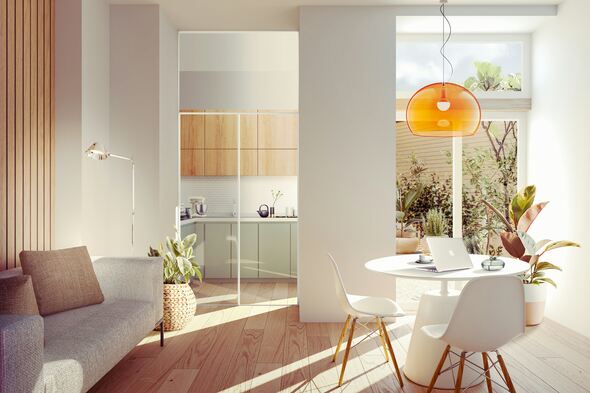
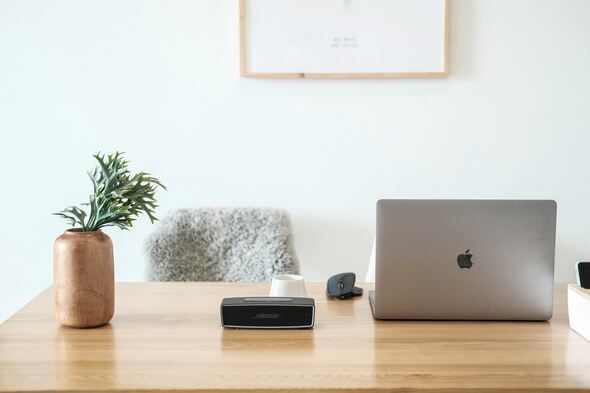
One of the simplest yet most powerful ways to reduce distractions is to create a workspace that signals to your brain that it’s time to work. This doesn’t require a full home office; even a small corner dedicated solely to freelancing can make a difference. The key is consistency—using the same space every day trains your mind to associate that area with productivity. A niche but practical tip is to use sensory cues, like a specific lamp or background music, that you only turn on during work hours. These cues act as subtle triggers that help you shift into focus mode.
Manage Digital Interruptions With Intention
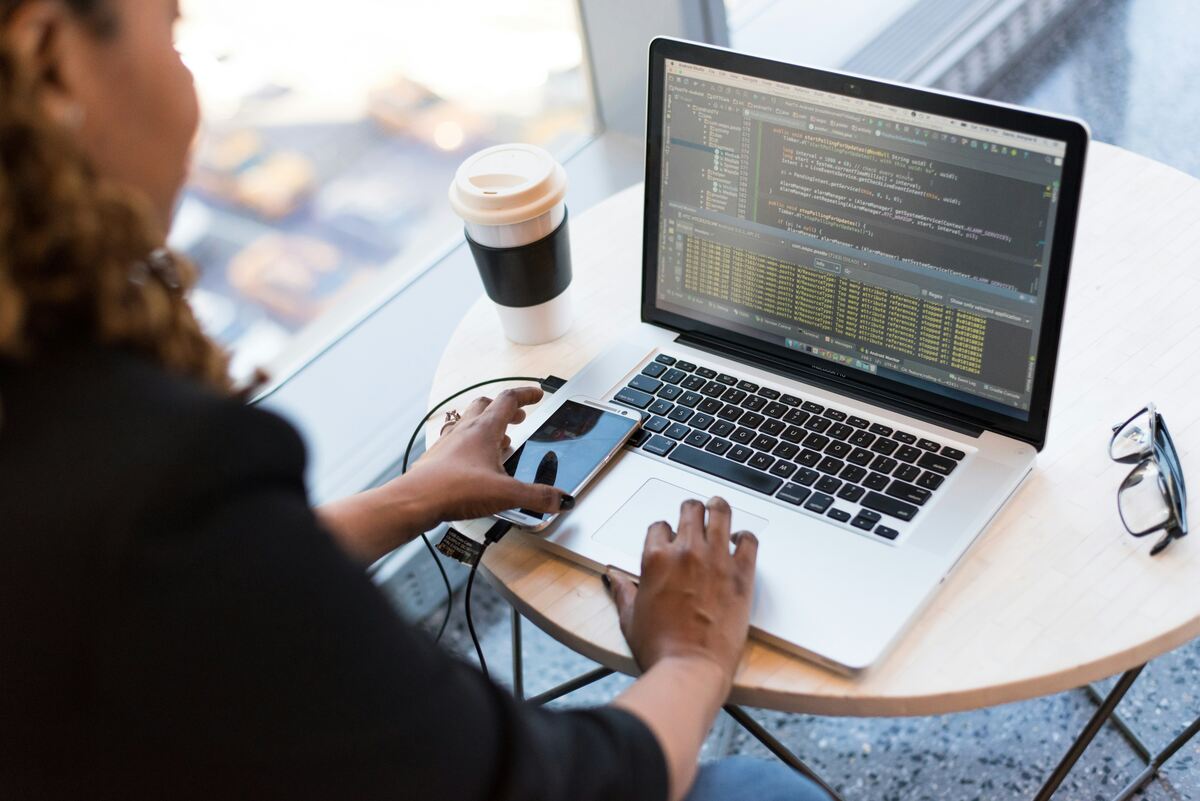
Digital distractions are often the most disruptive for freelancers. Emails, social media, and instant messages can fragment your attention throughout the day. Instead of trying to eliminate them entirely, manage them with intention. Set clear times for checking messages and stick to them. A useful tactic is to create “focus windows” where you silence notifications and commit to deep work. Western freelancers often overlook the importance of communicating these boundaries to clients, but letting them know when you’re available and when you’re not can prevent misunderstandings and reduce pressure to respond instantly.
Learn To Balance Your Work & Household Responsibilities
One of the unique challenges of freelancing from home is balancing household responsibilities with professional tasks. It’s easy to get pulled into chores or family obligations during work hours. The solution isn’t to ignore them but to schedule them strategically. For example, use short breaks to handle small tasks like laundry or tidying up, but avoid tackling major household projects during your workday. This balance allows you to maintain a sense of control without letting domestic distractions consume your professional time.
Use Micro Routines To Stay Grounded
Distractions often arise when your energy dips or your focus wavers. Creating micro-routines throughout the day can help you stay grounded. These routines don’t need to be elaborate; they can be as simple as making coffee before starting work, stretching between tasks, or stepping outside for fresh air after finishing a project. The niche tip here is to align these routines with natural transitions in your day—like starting a new client project or wrapping up a meeting. This creates a rhythm that keeps you engaged and minimizes the urge to drift into distractions.
Learn To Set Boundaries With Others
When you work from home, people around you may assume you’re always available. Friends, family, or roommates might interrupt without realizing the impact. Setting boundaries is essential, but it doesn’t have to be confrontational. Communicate your schedule clearly and explain why uninterrupted time matters. A practical approach is to use visible signals, like closing a door or wearing headphones, to indicate you’re working. Over time, these boundaries help others respect your focus and reduce external distractions.
Embrace Flexibility Without Losing Discipline
Finally, managing distractions isn’t about rigid control—it’s about balance. Freelancing offers flexibility, and part of that flexibility is acknowledging that distractions will happen. The goal is not to eliminate them entirely but to prevent them from derailing your day. By designing a workspace, managing digital interruptions, balancing household tasks, creating micro-routines, and setting boundaries, you build a framework that allows flexibility without sacrificing discipline. This balance is what makes freelancing sustainable in the long run.
Conclusion
Working from home as a freelancer requires more than skill—it requires the ability to manage distractions in a way that protects your productivity and your well-being. By approaching distractions with intention and building simple, practical systems, you can create an environment where focus thrives and freelancing becomes not just possible, but enjoyable.
Powered by Co-Pilot. Curated & Edited By The Freelancer's Garden.